Call: 713-850-8466
Texas trees continue to experience significant environmental stress as weather patterns across the state become increasingly unpredictable. Over the past several years, drought conditions, hurricanes, freezes, excessive rainfall events, soil compaction, and pest pressure have all contributed to declining tree health throughout Houston and across Texas.
In 2026, certified arborists are continuing to see increased canopy thinning, secondary pest infestations, root decline, fungal activity, and delayed storm stress symptoms in both residential and commercial landscapes.
Understanding these patterns early allows property owners to take proactive steps that can improve tree longevity, reduce safety risks, and protect valuable mature trees before irreversible decline occurs.
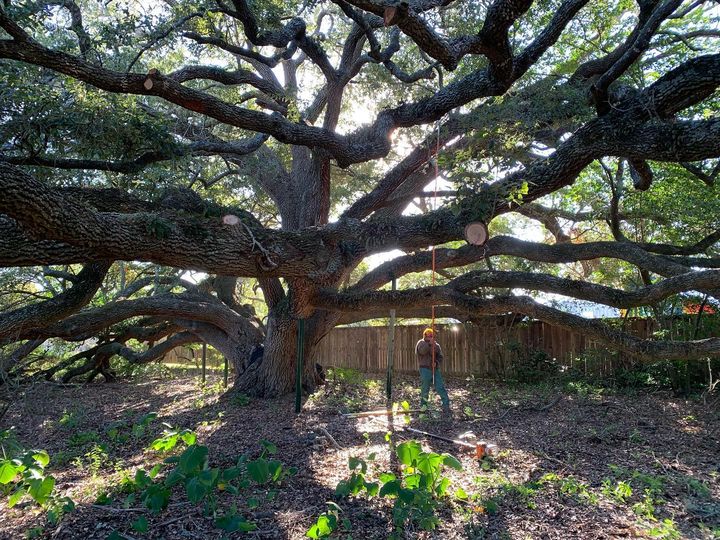
Over the last three years, trees across Texas have endured one of the most environmentally stressful periods in recent history. Repeated drought conditions, record-breaking heat, sudden freeze events, severe windstorms, hurricanes, and rapid swings between drought and flooding have created long-term cumulative stress on both native and ornamental tree populations throughout the state. As a result, arborists across Texas have observed a significant increase in canopy thinning, increased decline, root system failures, pest infestations, fungal diseases, and storm-related tree failures. Many trees that initially survived droughts, freezes, or storms are only now beginning to show visible symptoms of stress. In many cases, the decline is not caused by a single event, but rather the accumulation of multiple years of environmental pressure weakening the tree’s ability to recover. One of the most significant contributors to tree stress in Texas has been prolonged drought. Large portions of the state experienced repeated severe drought conditions between 2022 and 2025. During periods of drought, trees reduce photosynthesis and carbohydrate production in order to conserve energy and moisture. This weakens root systems, reduces natural defense mechanisms, and limits the tree’s ability to compartmentalize decay or recover from injury. Symptoms commonly associated with drought stress include premature leaf drop, scorched foliage, canopy thinning, twig dieback, smaller leaf production, and excessive epicormic sprouting along major limbs and trunks.
In many tree species, drought damage may not fully appear for several years after the original stress event. This delayed decline has become increasingly common throughout Texas landscapes, particularly in mature Live Oaks, Red Oaks, Water Oaks, Magnolias, Pines, Hackberries, and ornamental species already growing under urban stress conditions.
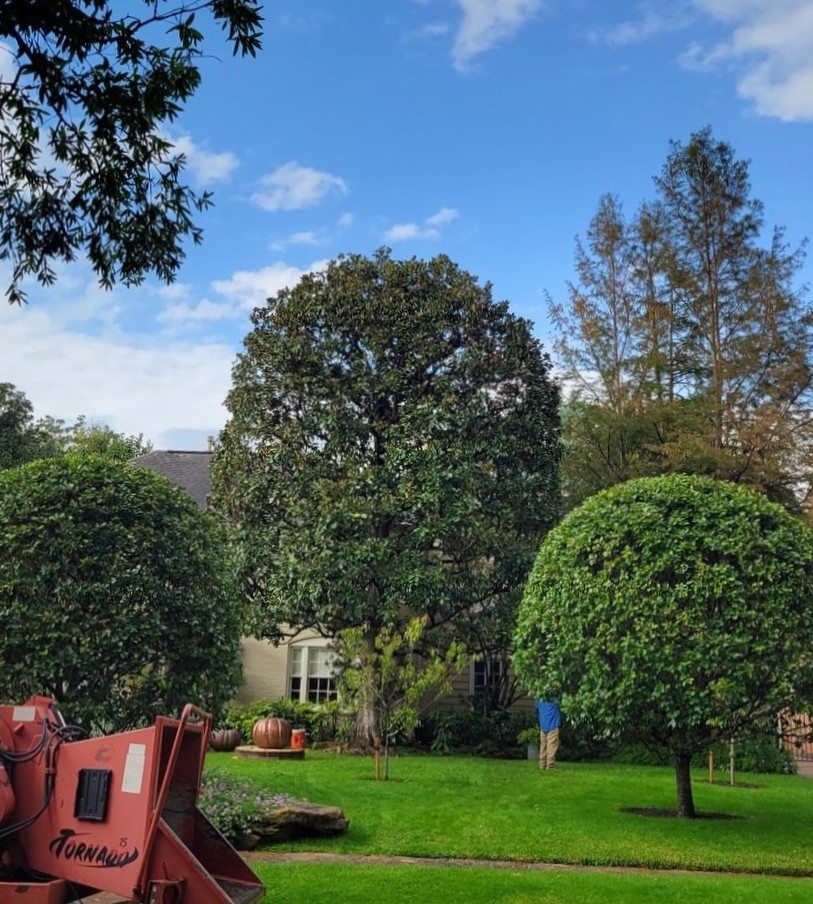
Record heat has also played a major role in declining tree health. Texas experienced multiple summers with near-record or record-breaking temperatures, particularly in urban regions such as Houston, Austin, Dallas, and San Antonio. Expanding pavement, soil compaction, reflected heat from structures, and reduced canopy cover have intensified urban heat island effects, placing additional stress on root systems and limiting moisture retention in the soil. Prolonged high nighttime temperatures have prevented many trees from adequately recovering from daytime heat stress, further compounding physiological exhaustion.
These conditions have also contributed to increased insect and disease activity. Arborists throughout Texas have reported elevated populations of Spider Mites, Scale Insects, Bark Beetles, Borers, and Fungal Pathogens taking advantage of weakened trees. Pines, in particular, have become increasingly vulnerable to bark beetle infestations following drought stress, while Magnolias and ornamental species have experienced rising scale populations and fungal spotting issues.
Although Texas winters have generally trended warmer overall, sudden arctic freeze events continue causing widespread damage because many trees remain physiologically active later into the season. Rapid temperature drops have caused frost cracking, cambium injury, bark splitting, root damage, and delayed spring leaf-out in many species. Trees weakened by freeze injury often become structurally compromised and may fail later during wind events or periods of heavy rainfall. Laurel oaks, Water Oaks, Hackberries, Bradford Pears, tropical ornamentals, citrus, and Palm species have all shown increased freeze-related decline in recent years.
Storm activity has further highlighted the long-term effects of cumulative stress on Texas trees. Severe wind events, derechos, tornadic outbreaks, and hurricanes, including Hurricane Beryl, exposed widespread structural weaknesses in trees already suffering from drought, root damage, or decay. Modern storm failures are increasingly linked not only to wind speeds, but to compromised root systems and chronic environmental stress. Arborists have observed a notable increase in root plate failures, uprooting, and whole-tree collapse, particularly following drought cycles that are then followed by periods of excessive rainfall.

This rapid swing between drought and saturated soil conditions, often referred to as “weather whiplash,” has become one of the most damaging environmental patterns affecting Texas trees. Trees weakened by drought struggle to adapt when soils suddenly become saturated. Oxygen levels within the soil rapidly decline, stressed roots begin to suffocate, and fungal pathogens become more active. In many cases, trees that appeared stable during dry conditions have failed shortly after heavy rain events due to weakened anchoring root systems.
Another growing concern throughout Texas is the increase in root-related issues associated with urban development and soil disturbance. Compacted soils, trenching, construction activity, poor drainage, and grade changes continue to impact long-term tree health across residential and commercial properties. Many declining trees are now exhibiting problems originating below grade rather than within the canopy itself. Root rot fungi, girdling roots, buried root collars, and chronic compaction are becoming increasingly common contributors to tree instability and decline.
As these environmental pressures continue, preventative and proactive tree care has become more important than ever. More property owners are investing in practices such as air spading, root collar excavation, vertical mulching, compost amendments, biochar incorporation, deep root fertilization, structural pruning, and professional tree risk assessments. These treatments help improve soil oxygen exchange, encourage root regeneration, improve water infiltration, and increase overall storm resilience.
The importance of working with trained arborists has also become increasingly critical in today’s changing Texas climate. Many signs of stress, decay, or root failure are not immediately visible to the untrained eye. Trees may appear healthy externally while serious structural or root-related problems are already developing below ground.
At Tree Care, Inc., our team includes State Licensed and ISA Certified Arborists who evaluate trees using industry standards and science-based practices. Our arborists are trained to identify early stress indicators, structural weaknesses, pest and disease activity, root-related problems, and long-term decline patterns associated with environmental stress.
Regular inspections are especially important following major drought periods, hurricanes, flooding events, freeze damage, or nearby construction activity. Early intervention can often improve tree longevity, reduce safety risks, and help preserve valuable mature canopy trees before decline becomes irreversible.

Our team works closely with property owners to develop customized recommendations tailored to the specific needs of each landscape. These recommendations may include soil health improvement programs, structural pruning, root zone remediation, air spading, fertilization plans, pest management, tree preservation strategies, and long-term risk reduction measures. Texas trees continue to face increasing environmental challenges, and current climate trends suggest that periods of extreme heat, drought, flooding, and severe storm activity are likely to remain ongoing concerns in the years ahead. Proactive management, proper soil care, and routine arboricultural evaluations will play a critical role in preserving the health, safety, and longevity of Texas landscapes moving forward. For questions or to schedule an evaluation with one of our certified arborists.
Looking to learn more about tree resources? Check out our tree resources page for tips, guides, and expert advice on keeping your trees healthy and safe.