Call: 713-850-8466
Trees are living systems that require both scientific understanding and skilled care. A certified arborist evaluates each tree as part of a larger ecosystem —considering soil conditions, root structure, canopy balance, and overall health— to provide solutions that protect your property and enhance the longevity of your landscape. Below are the specialized services arborists offer and the science behind why each matters.
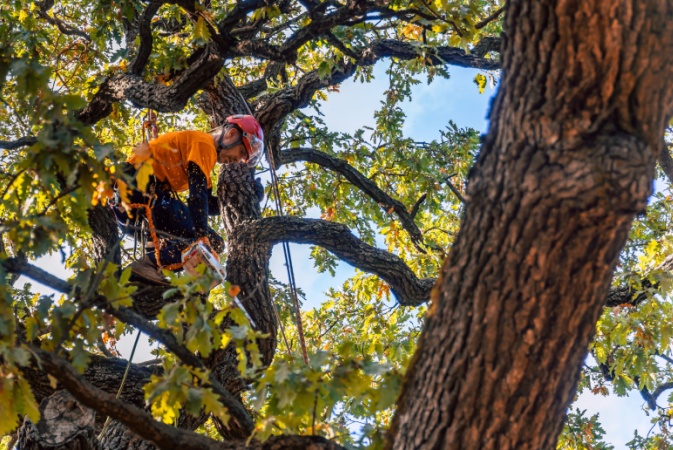
Professional arborists are trained to identify structural defects such as internal decay, root instability, and poor branch unions that may not be visible externally. Using diagnostic tools and knowledge of tree biomechanics, they assess the likelihood of failure and potential targets to reduce risk and maintain safety.
Why it matters: Early detection prevents property damage, personal injury, and unnecessary removals.

Proper pruning, following ANSI A300 standards, promotes healthy structure, improves airflow and light penetration, and reduces the risk of limb failure. Each cut is made with an understanding of tree physiology to encourage natural healing and balanced growth.
Why it matters: Over-pruning or incorrect cuts can lead to decay, stress, and disease entry — trained pruning maintains both beauty and biological integrity.
Successful planting starts with selecting species suited to the site's soil composition, light exposure, and available space. Proper planting depth, root flare visibility, and soil preparation are essential to minimize transplant shock and promote strong root establishment.
Why it matters: Trees planted too deeply or in unsuitable soil conditions often decline early — professional planting ensures long-term success.
When a tree is dead, diseased beyond recovery, or poses a safety threat, removal must be done carefully. Arborists use controlled rigging, specialized equipment, and advanced climbing techniques to dismantle trees safely, minimizing disruption to surrounding areas.
Why it matters: Professional removal prevents property damage and ensures nearby trees and soil remain healthy.
Certain trees or limbs can become hazardous due to decay, poor structure, or storm damage. Arborists assess stress points using visual and mechanical cues, then apply mitigation techniques such as cabling, bracing, or selective pruning to improve structural stability.
Why it matters: Prevents catastrophic limb or tree failure while preserving the tree's canopy and ecological role.
Trees are susceptible to fungal infections, bacterial diseases, and pest infestations that can spread rapidly. Arborists diagnose symptoms accurately and develop Integrated Pest Management (IPM) plans using soil amendments, biological controls, and selective treatments.
Why it matters: Early identification and precise treatment prevent decline and protect neighboring trees from infection.
Air spading uses compressed air to loosen compacted soil around roots without causing damage. This technique restores oxygen flow, improves root respiration, and allows inspection for girdling roots, rot, or buried root collars.
Why it matters: Healthy soil structure is vital to tree longevity; air spading resolves hidden issues that limit root growth and nutrient uptake.
Looking to learn more about tree resources? Check out our tree resources page for tips, guides, and expert advice on keeping your trees healthy and safe.