Call: 713-850-8466

Oak Wilt is one of the most destructive diseases affecting oaks in the United States, especially across the Texas Hill Country. Caused by the vascular wilt fungus Bretziella fagacearum, this pathogen disrupts the tree's ability to move water, leading to rapid decline and, in many cases, death. Although it is a major concern statewide, specialists emphasize that the threat to oak trees in Houston is relatively low — provided homeowners take simple preventative measures.
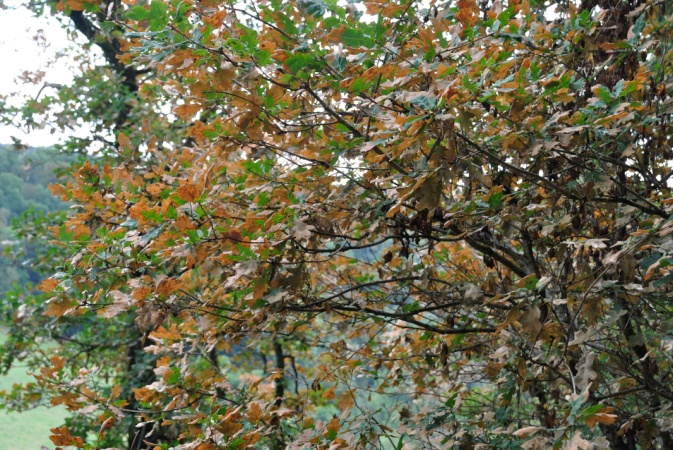
Oak Wilt is driven by Bretziella fagacearum , a fungal pathogen that spreads through two main pathways:
In Texas, Red Oaks act as "super spreaders" because they produce spore mats that attract nitidulid beetles — tiny insects that transfer fungal spores from one tree to another.
Symptoms differ between Red Oaks and Live Oaks, but common signs include:
In the Texas Hill Country, once symptoms appear, decline can happen within weeks.
While Oak Wilt devastates regions like Austin, Fredericksburg, and Kerrville, Houston's risk levels remain significantly lower because:
Most Houston cases stem from imported infected firewood, not naturally occurring spread.
The greatest risk to Houston oaks occurs when Red Oak firewood from infected areas is brought into neighborhoods. Infected firewood may still contain:
Because these beetles are highly attracted to fresh tree wounds, pruning during beetle-active months increases the risk.
Houston homeowners can greatly reduce risk by following simple science-backed steps:
Certified arborists can identify suspicious symptoms, evaluate environmental stressors, and determine whether decline is due to Oak Wilt, drought stress, pests, or other issues. Their expertise is especially important because Oak Wilt can resemble nutrient deficiencies or Hypoxylon canker.
Oak Wilt can spread through interconnected root systems at a rate of up to 75 feet per year, creating large, circular pockets of dead trees known as "mortality centers" in heavily affected areas like Central Texas.
Oak Wilt can stop leaves from producing energy in hours. A healthy-looking oak can suddenly wilt because the fungus blocks the tree's water flow almost instantly.
Looking to learn more about tree resources? Check out our tree resources page for tips, guides, and expert advice on keeping your trees healthy and safe.