Call: 713-850-8466
Hypoxylon canker is a fungal disease that threatens stressed and weakened trees across Brenham, Round Top, and the Houston Metro. Awareness, early detection, and proactive care are the best defense, because once Hypoxylon canker is present, the tree's long-term survival is at serious risk.
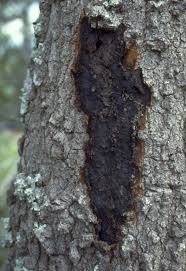
Hypoxylon canker is a fungal disease that affects oak trees. It activates when trees are stressed, causing branch dieback, grayish-white fungal growth, and bark loss. Healthy, well-maintained trees are less likely to be affected.

Mature oaks, pastures, and farms are at high risk from drought, soil compaction, and mechanical damage.
Neighborhoods, parks, and business areas face moderate risk from construction, compacted soil, and inconsistent watering.
There's no cure once Hypoxylon canker is active, but healthy trees resist infection:
If you notice peeling bark, gray fungus, or canopy thinning, have a certified arborist inspect the tree. Early detection helps protect surrounding trees across Houston, Brenham, and Round Top.
Looking to learn more about tree resources? Check out our tree resources page for tips, guides, and expert advice on keeping your trees healthy and safe.