Call: 713-850-8466
Aphids are tiny, soft-bodied insects that gather on new shoots, undersides of leaves, and tender stems. They use their piercing mouthparts to suck sap from trees, robbing plants of essential nutrients. Over time, heavy infestations cause leaves to curl, yellow, or distort. The sticky residue they leave behind, called honeydew, can lead to the growth of black sooty mold and attract ants.
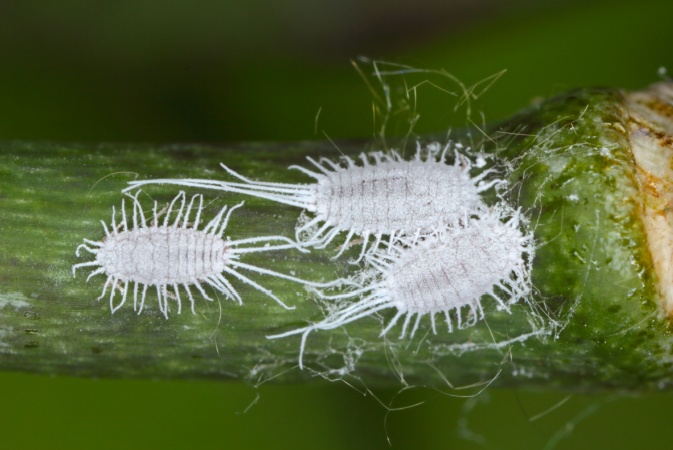
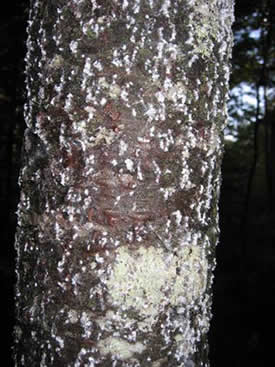
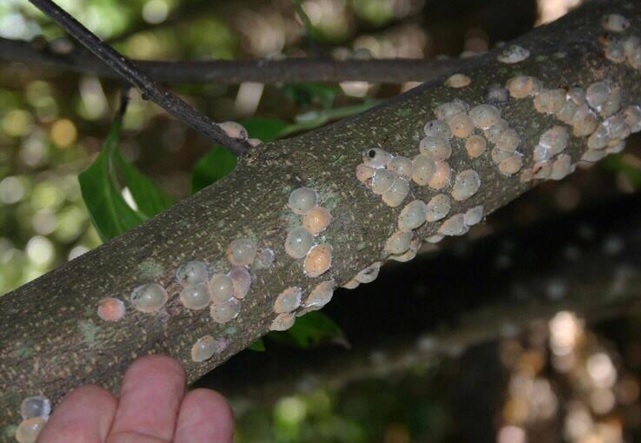
Scale insects are more subtle and often go unnoticed. Unlike aphids, they attach themselves firmly to bark or leaf surfaces and appear as tiny, hard bumps — resembling blisters or scabs. These pests drain sap continuously, weakening trees and causing leaf drop, branch dieback, and slow decline in overall health.
Both aphids and scale insects weaken trees by disrupting nutrient flow. Homeowners may notice thinning canopies, sticky patios or vehicles beneath trees, and the appearance of black mold on leaves. If untreated, repeated infestations can make trees more vulnerable to secondary pests and environmental stress.
Successful control starts with accurate identification. Depending on the pest and tree species, effective treatments include:
Routine inspections by a certified arborist help catch pest issues before they become severe. Seasonal feeding and proper watering improve tree resilience. Keeping pruning tools sanitized and removing heavily infested branches can also reduce pest spread.
Looking to learn more about tree resources? Check out our tree resources page for tips, guides, and expert advice on keeping your trees healthy and safe.