What Are Those Webs in Your Houston Trees?

Fall Webworms and Tent Caterpillars in Texas

Fall webworms (Hyphantria cunea) and tent caterpillars (primarily Malacosoma species) are two of the most visible defoliating insects found on ornamental and shade trees throughout Houston and its surrounding areas. Although both pests create silk structures in tree canopies and feed on foliage, they differ significantly in their seasonal activity, colony behavior, and webbing patterns. Understanding these differences is essential for accurate diagnosis and effective treatment.

These insects rarely cause long-term decline in otherwise healthy trees. However, repeated defoliation events or infestations on young, newly planted, or stressed trees can lead to reduced growth, increased susceptibility to secondary pests, and aesthetic concerns — particularly for homeowners associations and properties with high landscape visibility.
Talk To An Expert
A person standing under a large sprawling tree with thick, twisted branches and green leaves, sunlight filtering through the canopy.

Fall Webworms (Hyphantria cunea)

Seasonality

  • Most active late summer through early fall
  • More common from August to October in Houston
  • Can produce 2–4 generations per year depending on weather conditions
  • Activity increases in warm, humid climates like southeast Texas

Identification

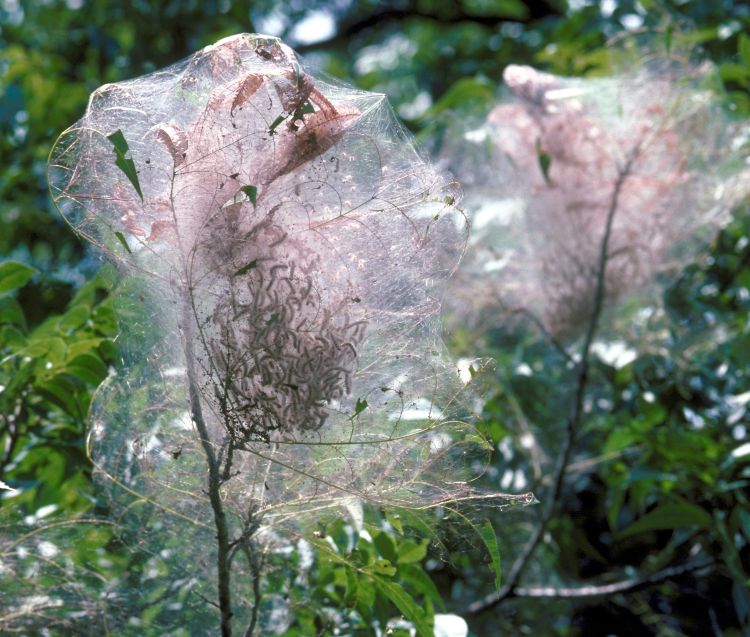
  • Webs are often located at the ends of branches
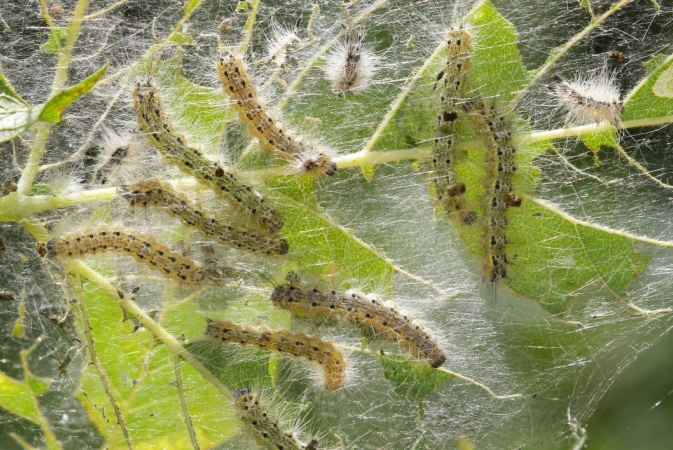
  • Caterpillars are pale yellow to grey with long, fine hairs
  • Silk nests expand outward as the colony feeds, often enveloping entire small branches

Feeding & Behavior

  • Feed on over 250tree species, including pecan, mulberry, elm, sweetgum, sycamore, and many fruit trees
  • Caterpillars feed inside the webbing, safe from predators
  • Defoliation occurs from the outside in as the web enlarges

Impact on Trees

  • Mostly aesthetic, but repeated late-season defoliation can reduce energy reserves heading into dormancy
  • Webbing may persist even after insects have pupated


Tent Caterpillars (Malacosoma spp.)

Seasonality

  • Active very early in spring — often one of the first insect issues seen each year
  • Eggs overwinter on branches and hatch as temperatures rise

Identification

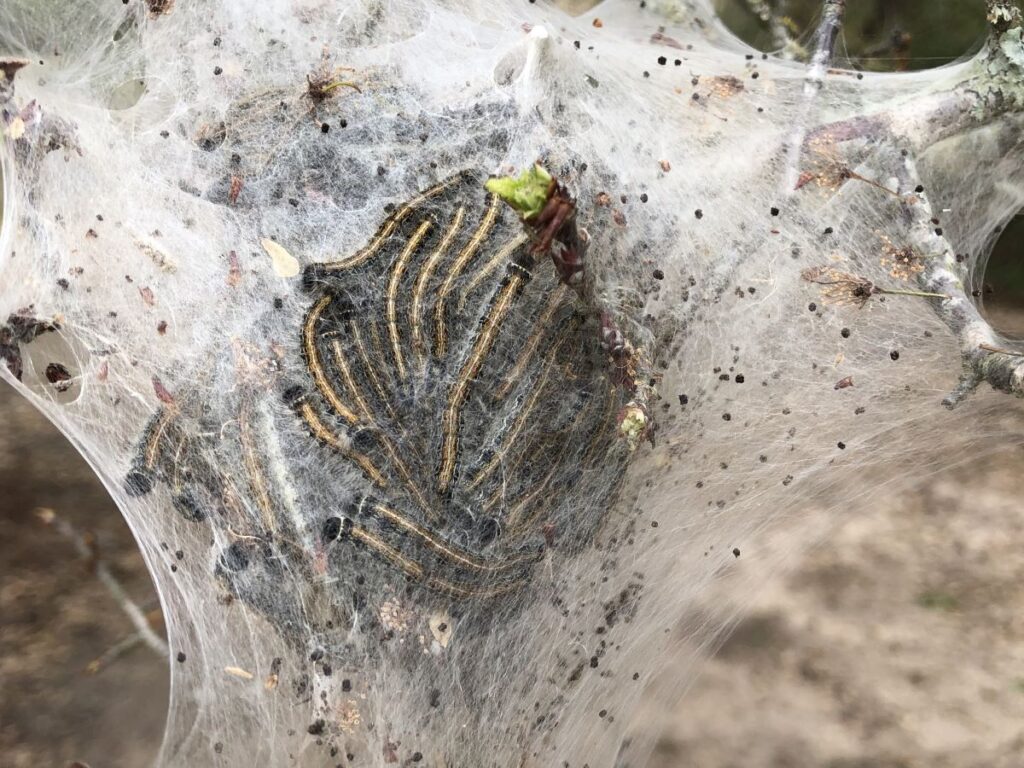
  • Construct dense silken "tents" in branch crotches (not branch tips)
  • Caterpillars often have distinct stripes or unique color patterns depending on species
  • Colonies leave the tent each day to feed, returning for shelter

Feeding & Behavior

Prefer trees in the rose family, often infesting plum, cherry, apple, and ornamental fruit trees. Feeding occurs on young, tender spring foliage and heavy feeding can rapidly defoliate small ornamental trees.

Impact on Trees

  • Spring defoliation is more stressful than late-season defoliation
  • Trees can refoliate, but repeated infestations weaken vigor

Life Cycle & Biology

Fall Webworm

  • Overwinters as a pupa in the soil
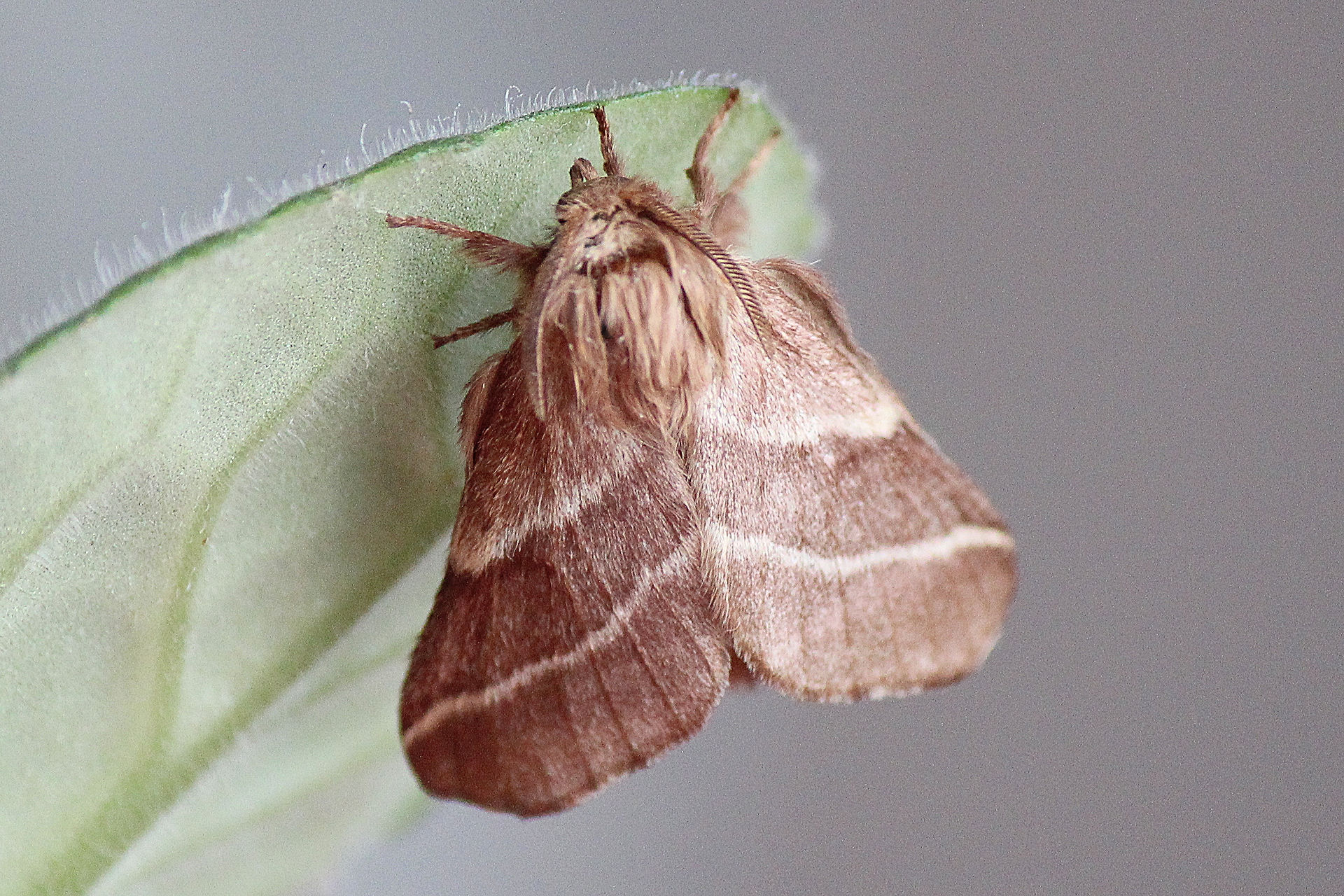
  • Adults emerge mid-summer, mate, lay eggs on leaf undersides
  • Caterpillars feed collectively inside the expanding web
  • Pupate off the tree after several weeks of feeding

Tent Caterpillar

  • Overwinters as egg masses on twigs (visible year-round)
  • Larvae hatch as leaf buds break
  • Pupate in cocoons nearby
  • Adults emerge late spring and lay new egg masses for next year

Understanding life cycles is critical for timing treatment — early-stage colonies are far easier to control than mature ones.
Integrated Pest Management (IPM)

Effective management blends cultural, biological, and chemical strategies.

1. Monitoring

  • Inspect trees in early spring for tent caterpillar egg masses
  • Beginning in summer, scan branch tips for early fall webworm webs
  • Small colonies are significantly easier to prune or treat

2. Cultural Controls

  • Remove and destroy egg masses during winter pruning
  • Prune small, early-stage webs before caterpillars mature
  • Encourage natural predators such as paper wasps, yellowjackets, birds, and parasitic flies & wasps

3. Biological Controls

  • Bacillus thuringiensis kurstaki (Btk) is effective on early instar caterpillars
  • Harmless to beneficial insects, pets, and humans

4. Chemical Controls

Chemical treatment may be needed for large webs or sensitive trees. Options include:

  • Systemic insect injections (for high-value shade trees)
  • Contact sprays labeled for caterpillar control
  • Targeted application directly into webs (best early in infestation)

Timing is crucial— early-season applications provide the greatest impact.

Local Connection

Whether you're surrounded by wide-open country trees or established neighborhood canopies, tent caterpillars and fall webworms are a natural part of our Texas ecosystems. Though their webbing and leaf loss may seem alarming, most issues can be managed before lasting damage occurs. With proactive care and the right information, homeowners can protect and preserve the trees that define both rural and urban landscapes.

Fun Facts

Fall webworms are native to North America but have invaded Europe and Asia, where they are considered serious pests.

Tent caterpillars were once so numerous in the U.S. that early settlers wrote about "rivers of caterpillars" crossing roads.

Despite their dramatic webs, fall webworms rarely kill trees — nature has simply equipped them with survival strategies that look alarming.

The webs of fall webworms act like greenhouses, trapping heat and raising internal temperatures to speed up caterpillar development.

Many native birds(like chickadees and yellow-billed cuckoos) rely on these caterpillars as a major seasonal food source.

Blog & Resources

Looking to learn more about tree resources? Check out our tree resources page for tips, guides, and expert advice on keeping your trees healthy and safe.