Call: 713-850-8466
When most people think about tree care, they picture pruning, fertilization, or treating insects and diseases. While these services are important, many tree health problems actually begin underground. Compacted soil, buried root flares, construction damage, poor drainage, and nutrient deficiencies can all create stress that slowly weakens a tree over time.
In Texas, where clay soils, construction activity, and turf competition are common, root-related issues are one of the leading causes of tree decline. Because roots are hidden beneath the soil surface, these problems often go unnoticed until symptoms begin appearing in the canopy.
At Tree Care Inc., our ISA Certified Arborists use advanced root-zone rehabilitation techniques to identify and correct these hidden issues while improving the soil environment that supports long-term tree health.
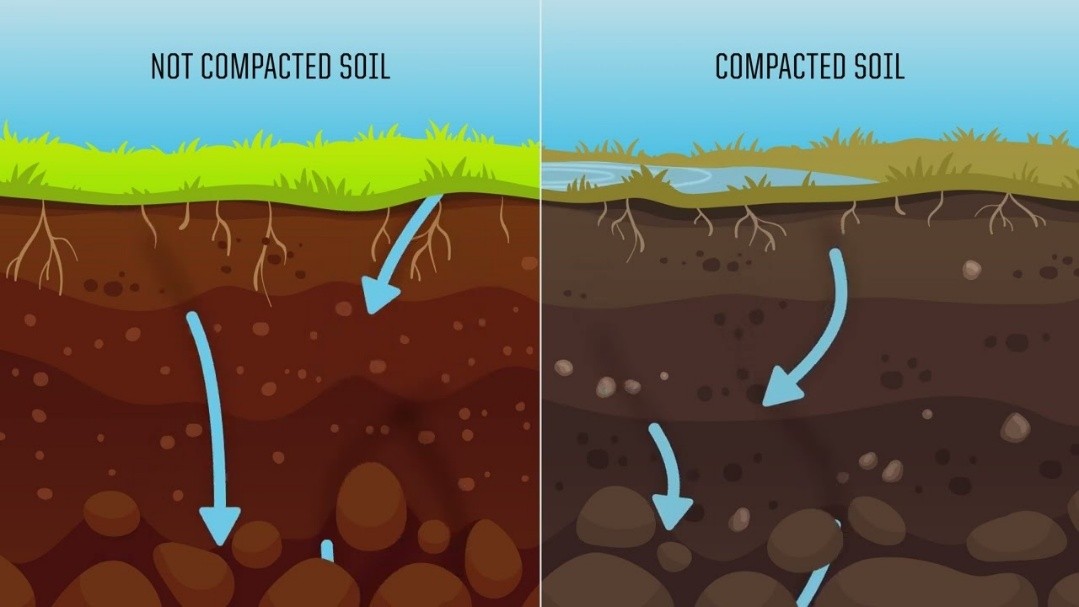
A tree's root system requires oxygen, water, nutrients, and healthy soil biology to function properly. When any of these factors become limited, the tree begins to struggle.
Common root-zone problems found throughout Texas include soil compaction from construction equipment, vehicles, foot traffic, and lawn maintenance; buried root flares caused by improper planting depth or excessive mulch; girdling roots that wrap around the trunk and restrict growth; drainage problems that keep roots saturated after rainfall; and construction damage that severs or suffocates critical roots.
Because these issues occur below ground, specialized equipment and techniques are often required to diagnose and correct them.
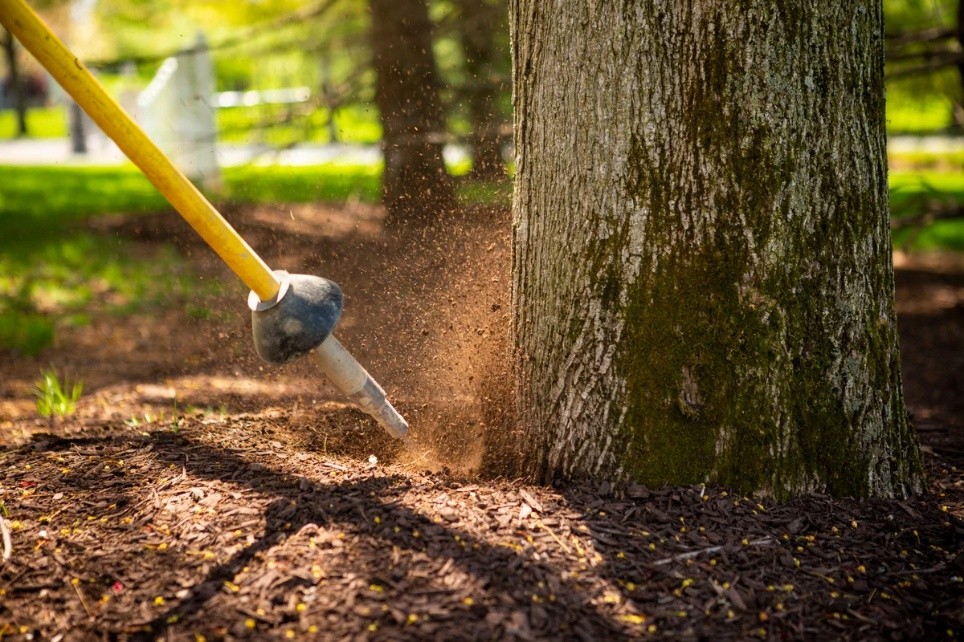
Air spading utilizes compressed air to loosen and remove soil without damaging roots. Unlike mechanical excavation equipment, an air spade allows arborists to expose roots safely while preserving delicate feeder roots responsible for water and nutrient uptake.
Air spading serves as the foundation for many root-zone rehabilitation procedures, allowing arborists to inspect root systems, identify hidden problems, and apply corrective treatments where they are needed most.
One of the most common issues affecting landscape trees is a buried root flare. The root flare is the area where the trunk transitions into the root system. When buried beneath soil or excessive mulch, moisture becomes trapped against the trunk, creating conditions that can lead to decay and root dysfunction.
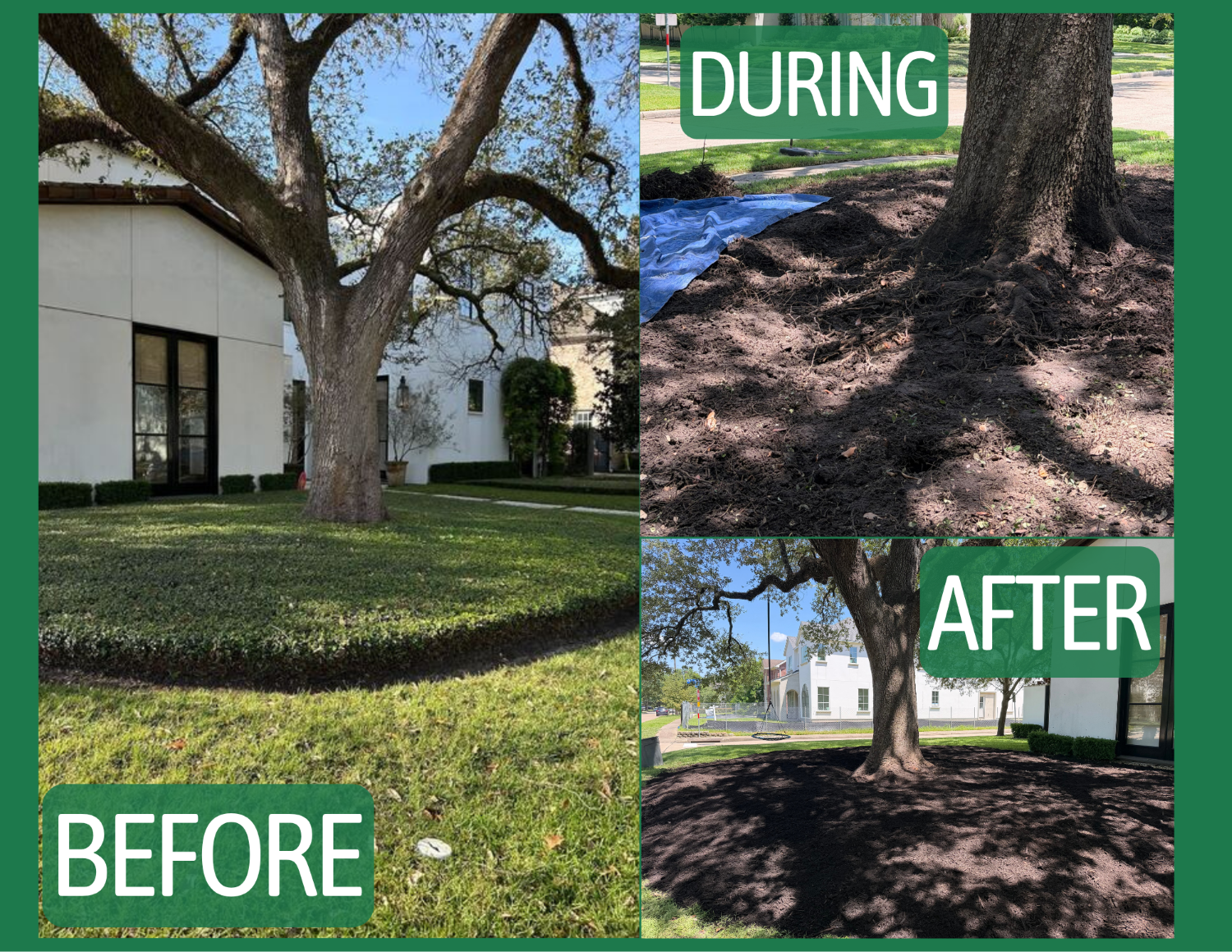
Root collar excavation exposes the natural root flare and allows arborists to identify buried roots, girdling roots, excessive mulch buildup, and signs of decay. Restoring the root flare improves oxygen exchange and allows the tree to function more naturally.
Many Live Oaks, Red Oaks, Magnolias, and Crape Myrtles suffering from slow decline show significant improvement after root collar excavation.

Compacted soils restrict root growth and limit the movement of water and oxygen through the soil profile. Radial trenching helps relieve this compaction by creating a series of trenches extending outward from the trunk into the root zone.
Once the soil has been loosened, these trenches can be amended with materials that improve both soil structure and biological activity. The result is increased aeration, improved water infiltration, and an environment that encourages new root growth.
This technique is particularly beneficial for trees affected by construction activity, grade changes, or years of chronic soil compaction.
In areas with severe compaction or poor drainage, vertical mulching may be recommended. This process creates multiple channels throughout the root zone that allow oxygen, water, and organic matter to reach deeper into the soil profile.
For heavy clay soils commonly found throughout Texas, vertical mulching can significantly improve drainage and help restore healthier growing conditions for roots.
Healthy trees depend on more than water and nutrients. They also rely on an active community of beneficial microorganisms within the soil.
Many native shade trees naturally grow in fungal-dominated soils where beneficial fungi help roots absorb water and nutrients more efficiently. Urban landscapes often lack this biological diversity due to construction, disturbance, and years of soil compaction.
Restoring soil biology is an important component of modern root-zone rehabilitation and can dramatically improve a tree's ability to recover from stress.
Fungal compost introduces beneficial organic matter and microorganisms into the root zone. These materials help improve soil structure, increase microbial activity, enhance moisture retention, and support natural nutrient cycling.
Trees growing in healthier soils often develop stronger root systems, improved drought tolerance, and greater resilience to environmental stress.
For many mature shade trees, fungal compost helps recreate the conditions found in healthy forest soils where trees naturally thrive.
Humichar combines biochar and humic substances to improve soil performance and root development.
Biochar acts like a sponge within the soil, helping retain moisture and nutrients while creating habitat for beneficial microorganisms. Humic substances further improve nutrient availability and support healthy root growth.
Because biochar remains stable within the soil for many years, it provides long-term benefits that continue well beyond the initial treatment.
Every tree and site is different. Depending on the condition of the tree and surrounding soil, root-zone rehabilitation may include root collar excavation, air spading, radial trenching, vertical mulching, fungal compost incorporation, Humichar applications, deep root fertilization, and organic mulch installation.
By addressing both the physical and biological limitations within the soil, these treatments help create an environment where roots can grow, function, and recover more effectively.
.jpg)
Trees experiencing root stress often display subtle symptoms before significant decline occurs. Common indicators include thinning canopies, undersized leaves, premature fall color, branch dieback, slow growth, poor drought recovery, standing water after rainfall, fungal growth near the base of the trunk, and a history of nearby construction activity.
Early intervention often provides the best opportunity for recovery before permanent damage occurs.
Root-zone rehabilitation is about more than relieving soil compaction. It is a comprehensive approach to restoring the environment where trees live and grow.
By combining advanced air-spade technology with fungal compost, Humichar, soil amendments, and proven arboricultural practices, Tree Care Inc. helps trees recover from stress, improve vigor, and remain valuable assets to the landscape for years to come.
Our ISA Certified Arborists proudly provide root-zone rehabilitation services throughout Houston, Brenham, Round Top, and surrounding Texas communities, helping homeowners protect and preserve their most valuable trees.
Looking to learn more about tree resources? Check out our tree resources page for tips, guides, and expert advice on keeping your trees healthy and safe.