Call: 713-850-8466
Trees are some of the most valuable assets on a property—providing shade, increasing home value, improving air quality, and adding beauty to Texas landscapes. But trees are also living structures exposed to storms, drought, construction stress, pests, decay, and age. Over time, even healthy-looking trees can develop internal weaknesses or structural defects that pose a risk to people and property.
That is where a Tree Risk Assessment performed by an ISA Certified Arborist becomes essential. A formal risk assessment helps identify hidden hazards, evaluate the likelihood of failure, and provide a plan for managing risk safely, responsibly, and proactively.
In growing Texas cities like Houston, Katy, and Brenham—where mature trees stand near homes, driveways, playgrounds, and businesses—professional risk assessments are one of the most important services a property owner can invest in.
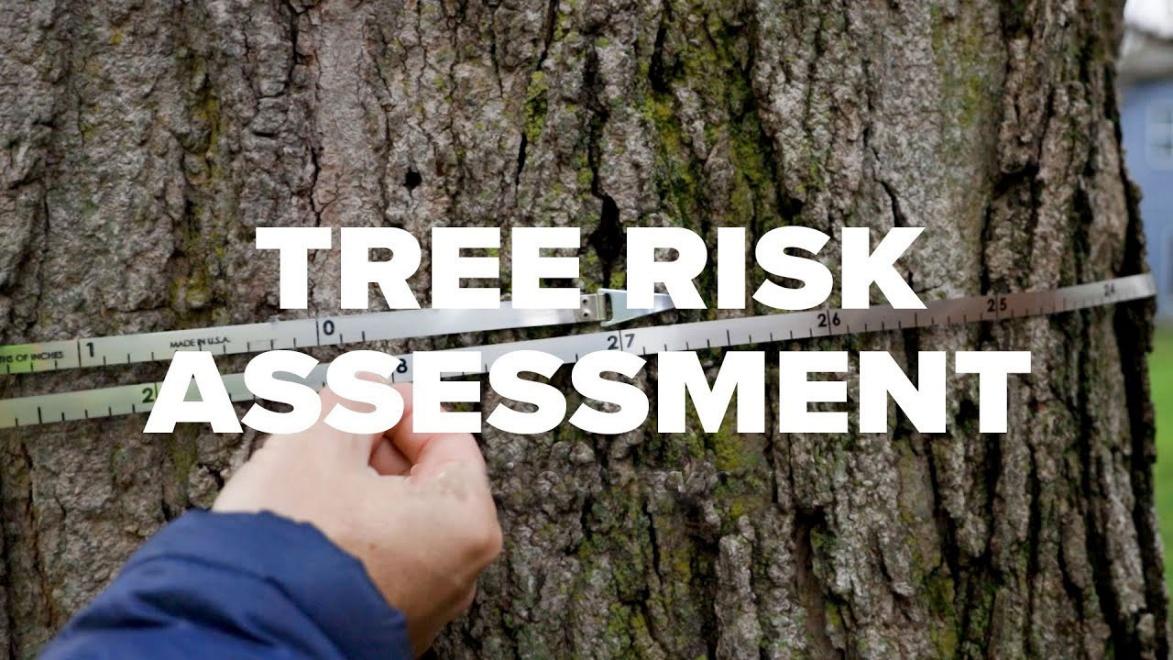
A Tree Risk Assessment is a systematic evaluation of a tree’s health, structure, and environment with the goal of determining the likelihood of failure and the consequences of that failure.
ISA Certified Arborists follow the ISA Tree Risk Assessment Qualification (TRAQ) standards, the most respected and scientifically supported method used worldwide.
A proper assessment considers:
This process provides property owners with a clear, objective understanding of a tree’s risk level and the best management options.
Texas weather is uniquely hard on trees. Between hurricanes and high winds, thunderstorms, multi-year drought cycles, rapid new construction, saturated clay soils, and sudden cold snaps.
Texas trees often face structural and environmental stress that increases the risk of failure.
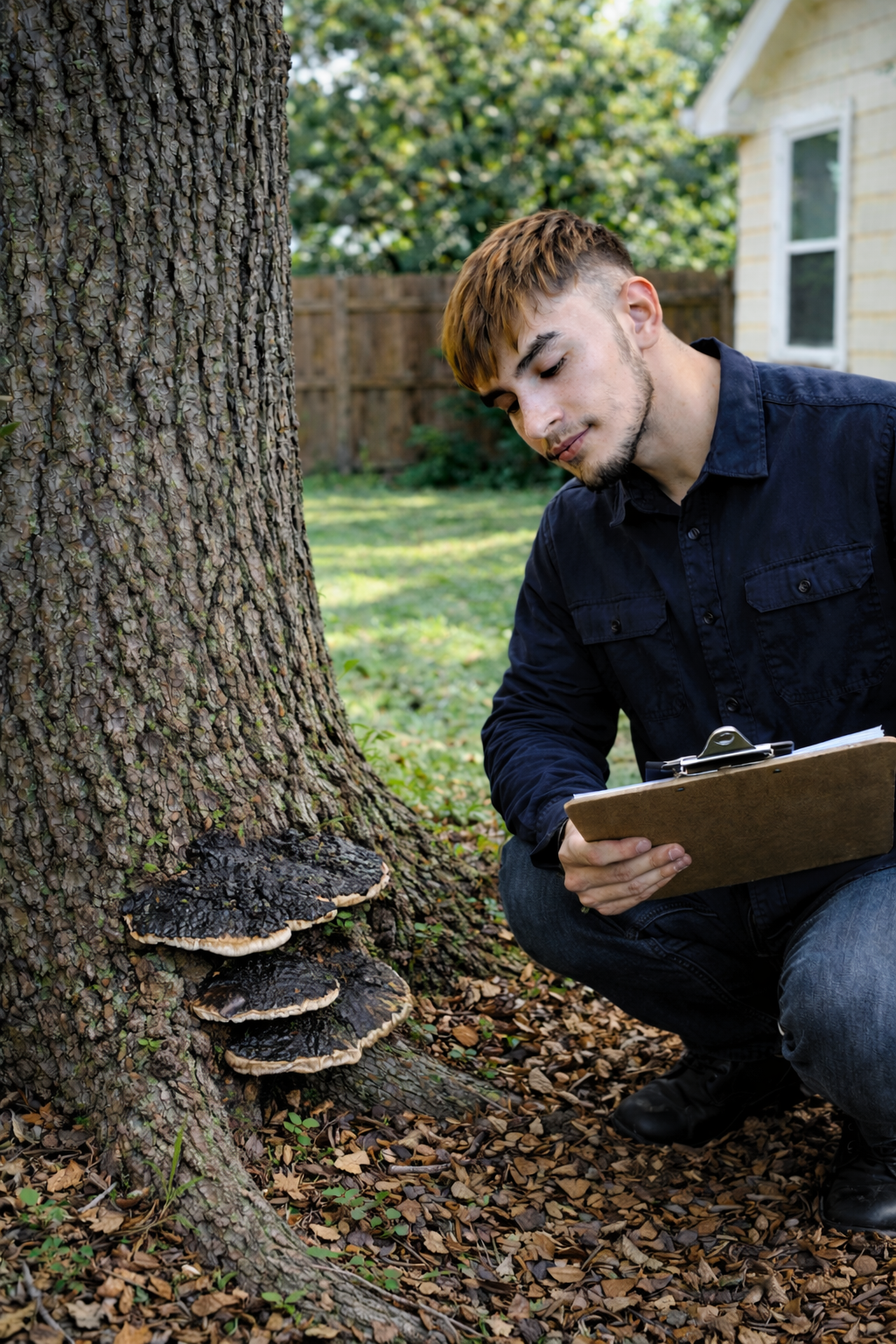
Large Live Oaks, Pines, Elms, and Pecans—common in Houston and central Texas—can appear perfectly healthy on the outside while hiding significant internal decay or root problems.
A certified arborist knows how to detect these hidden issues before they become dangerous.
1. The Trunk and Stem Structure
2. The Canopy
3. The Root Zone
4. Environmental Factors
5. Evidence of Pests or Disease
This holistic evaluation ensures the arborist is not only looking at the tree—but also the context the tree lives in.
An ISA Certified Arborist may use:
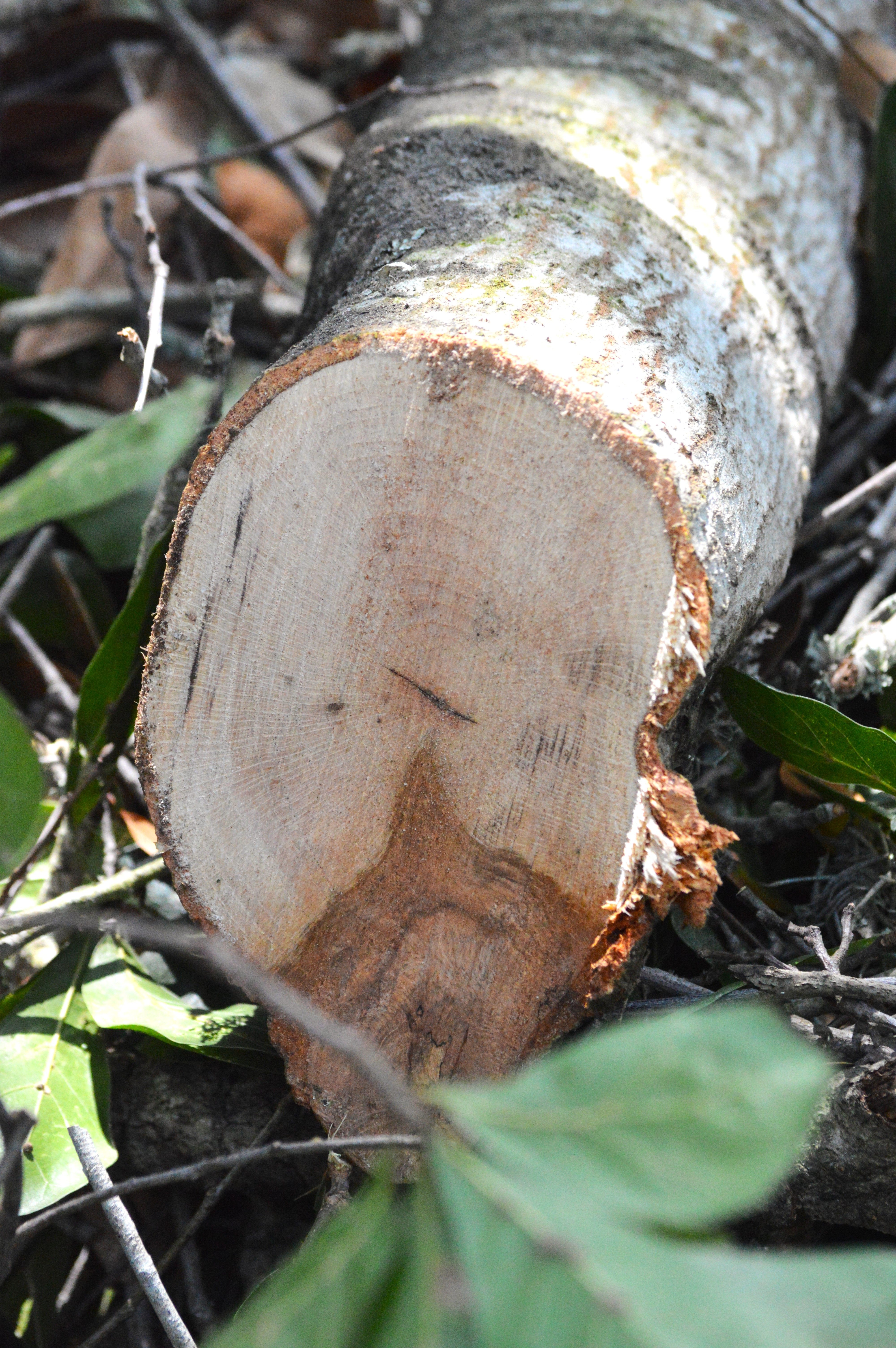
ISA TRAQ assessments categorize trees into four general risk ratings:
Low Risk – Minimal defects, little chance of failure.
Moderate Risk – Some manageable issues; recommended maintenance.
High Risk – Significant concern; corrective action needed soon.
Extreme Risk – Imminent hazard; removal or heavy mitigation is necessary.
Your arborist will also outline target occupancy—how often people, vehicles, or structures are beneath the tree.
Risk = likelihood of failure × potential consequences
In growing Texas cities like Houston, Katy, and Brenham—where mature trees stand near homes, driveways, playgrounds, and businesses—professional risk assessments are one of the most important services a property owner can invest in.
A Tree Risk Assessment is a systematic evaluation of a tree’s health, structure, and environment with the goal of determining the likelihood of failure and the consequences of that failure.
ISA Certified Arborists follow the ISA Tree Risk Assessment Qualification (TRAQ) standards, the most respected and scientifically supported method used worldwide.
A proper assessment considers:
This process provides property owners with a clear, objective understanding of a tree’s risk level and the best management options.
Texas weather is uniquely hard on trees. Between hurricanes and high winds, thunderstorms, multi-year drought cycles, rapid new construction, saturated clay soils, and sudden cold snaps.
Texas trees often face structural and environmental stress that increases the risk of failure.
Large Live Oaks, Pines, Elms, and Pecans—common in Houston and central Texas—can appear perfectly healthy on the outside while hiding significant internal decay or root problems.
A certified arborist knows how to detect these hidden issues before they become dangerous.
1. The Trunk and Stem Structure
2. The Canopy
3. The Root Zone
4. Environmental Factors
5. Evidence of Pests or Disease
This holistic evaluation ensures the arborist is not only looking at the tree—but also the context the tree lives in.
.jpg)
After evaluating the tree, your ISA Certified Arborist will provide a plan that may include:
The goal is not to remove trees unnecessarily—it’s to manage risk responsibly while preserving as much canopy as possible.
Anyone can cut a tree.
Very few people can accurately evaluate one.
ISA Certified Arborists are trained in biology, biomechanics, and risk science, adhere to the ISA Code of Ethics, use standardized, evidence-based methods, and provide unbiased recommendations based on tree safety and health. They also understand Texas species, soils, and weather patterns. A proper risk assessment protects your property, reduces liability, and helps maintain long-term tree health.
Not necessarily—our goal is always to save a tree when it can be done safely. There’s no single deciding factor: we weigh the tree’s species, health, and location, the extent of any decay or structural defects, and the likelihood of recovery, along with what’s around it. Often the safer, more affordable path is reducing the hazard through weight-reduction pruning, cabling, or root-zone work. But when removal is the best long-term option for safety, we can act right away—tree removal in Houston support is available from the start. When a tree can be saved, we’ll usually recommend structural pruning first.
Often, yes. Many flagged trees can be kept safely—crown thinning and weight-reduction pruning to relieve stress on weak limbs, or cabling and bracing to support a split trunk. Every case is different, so we assess each tree individually and build the plan around its condition. Our ISA Certified Arborists aim to preserve as much healthy canopy as possible, so tree trimming and structural pruning are usually explored before removal is on the table.
A yearly baseline is a good rule, plus a check after any major weather event—hurricanes, high winds, prolonged drought, or a hard freeze—since Houston trees take a beating from all of them. There’s no “off season” for this: Texas trees transition differently than trees further north, so both monitoring and year-round tree trimming matter in every season, not just winter. Large or high-value trees standing near homes, driveways, or play areas are the ones worth watching most closely.
It depends on where you live. Much of Houston is relatively relaxed about trees on private property, but several communities we serve—the Memorial Villages, West University Place, Southside Place, Hilshire Village, and Bellaire—have their own tree ordinances, each with its own application and approval process. In those areas a permit can be a real undertaking, and no single rule covers them all. We know these requirements well, hold contractor registrations where they're needed, and routinely handle the paperwork—so if your tree removal in Houston needs a permit, we take care of it.
Looking to learn more about tree resources? Check out our tree resources page for tips, guides, and expert advice on keeping your trees healthy and safe.